
Client: Seattle Department of Transportation (SDOT)
Campaign Partner: King County Metro
Services: Research · Marketing and Advertising · Community Engagement · Multicultural Consultation · Media
The opportunity
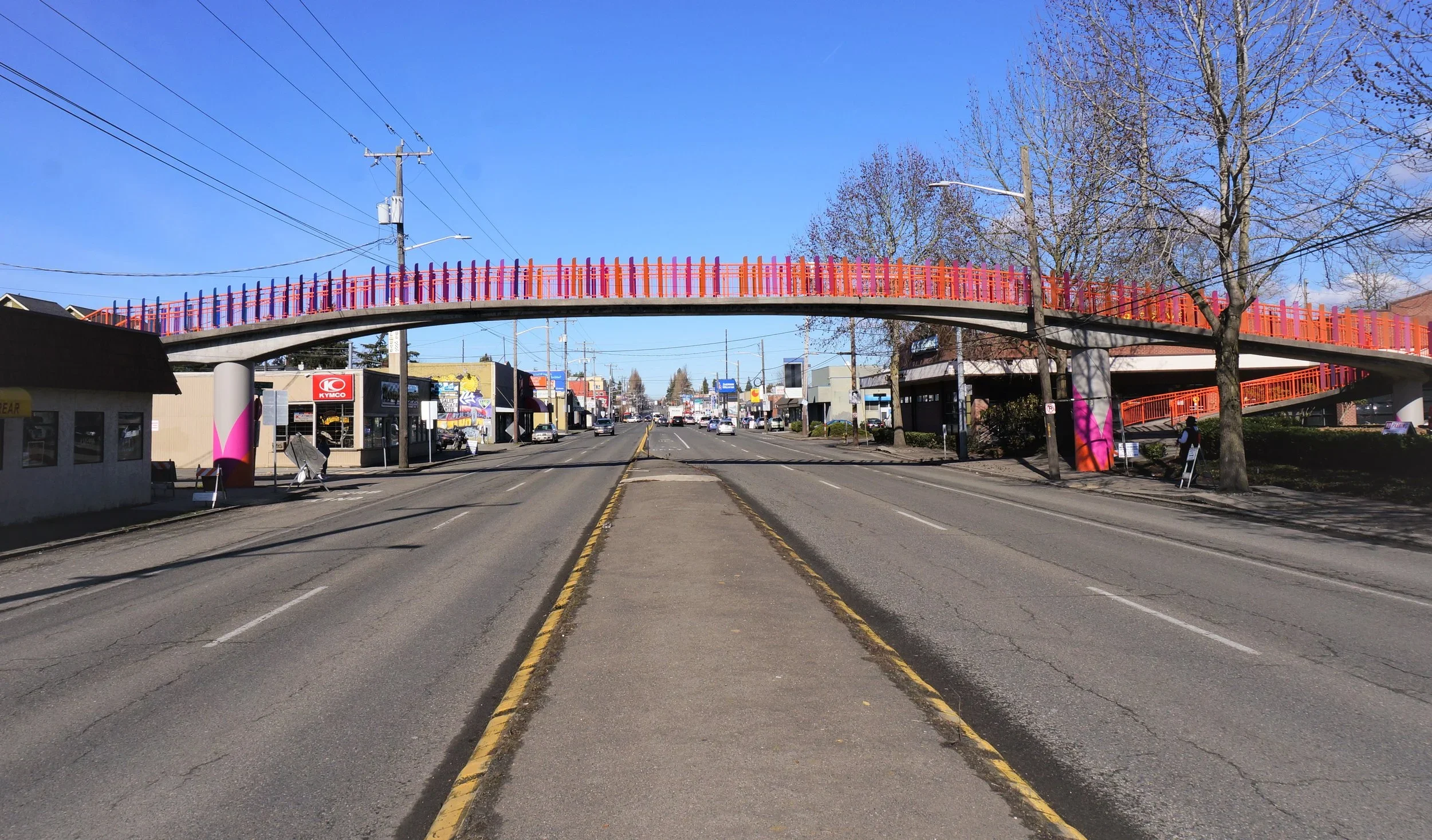
Aurora Ave N (SR 99) moves more of Seattle than almost any other street in the city. It carries the region's highest-ridership bus route, the RapidRide E Line. It moves freight the whole region depends on. And it has some of the highest rates of serious and fatal crashes in Seattle, with pedestrians bearing the worst of it.
SDOT and King County Metro set out to redesign the corridor with safety, mobility, and accessibility at the center. They had the mandate. What they didn't have was the internal resources needed to reach the residents who live and work along the corridor every day and whose voices were essential to getting the redesign right.
Standard public engagement — a survey posted online, a notice mailed in English, a single open house — wasn't landing. Not because the community didn't have opinions about the street outside their front door. Because the process wasn't built to hear them.
A redesign at this scale works only if it reflects what the corridor's community actually needs. That community includes Vietnamese, Filipino, Latino, Korean, Chinese, and East African residents. Seniors. People experiencing homelessness. Small business owners who don't see themselves in a typical government planning process, because that process was never built with them in mind.
SDOT and King County Metro knew they needed a corridor vision shaped by the people who actually use it every day, not just the people who show up to public meetings. So they tapped Vida to provide the added resources and cultural insight needed to ensure the community had a real say.
How we built belonging
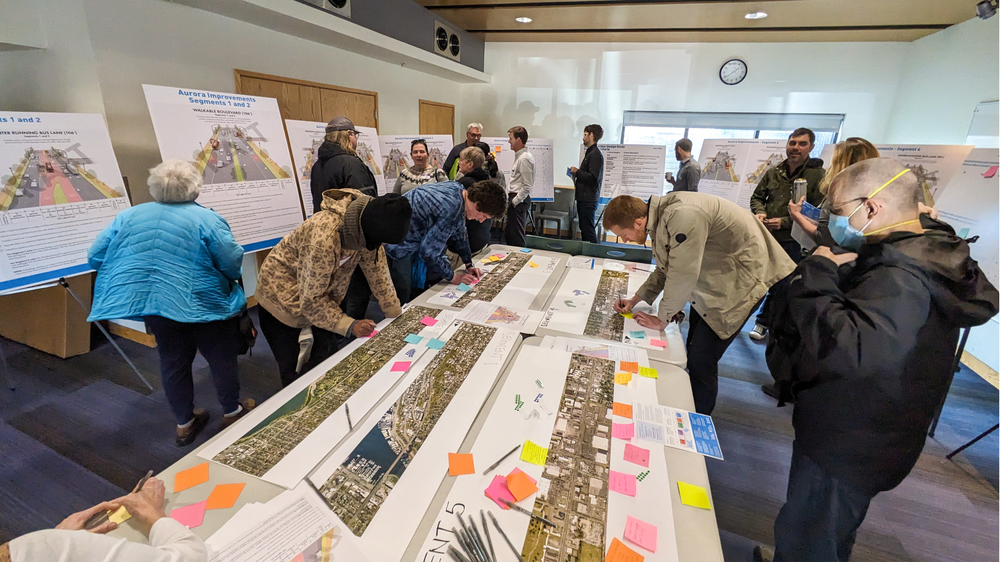
We started by asking who the corridor already trusted and then built the process around them. A three-phase engagement strategy, built across 2022 to 2024, used our unique LOCAL approach to meet people where they already were:
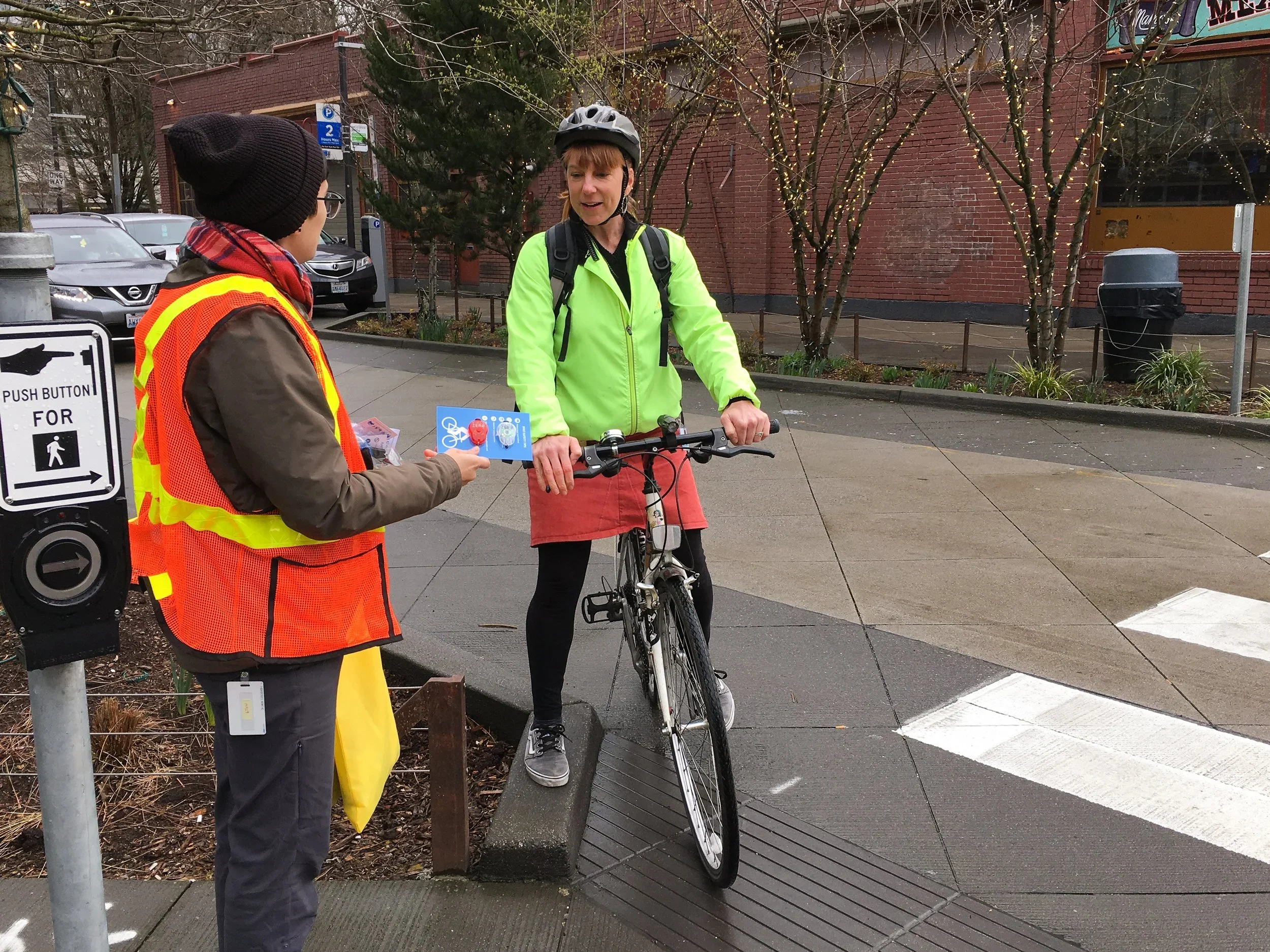
L — Local Insight: We partnered with Community Liaisons with existing relationships in Vietnamese, Filipino, Latino, Korean, Chinese, Senior, and East African house-less and sex workers as the essential entry point—not a channel selection, but a trust-first decision.
O — Observation: Listening confirmed that trust travels through relationships, not institutions. People take their cues from voices they already recognize and spaces that already feel like theirs.
C — Co-Creation: Three connected phases — listening, visioning, and feedback — built with the community, not for it. Fact sheets in seven languages. Ten design workshops. Translated flash surveys. Draft concepts shared in eight languages. Visits to 285 businesses.
A — Amplification: Digital campaigns through seven local media outlets. More than 22,000 postcards and flyers delivered directly to households. Community Liaisons speaking with more than 120 people across five languages in Phase 3 alone. Sixteen stakeholder briefings giving freight operators, bus drivers, and transit riders a direct voice in the process.
L — Lasting Impact: A corridor plan shaped by the people who use Aurora Ave N every day — and a participation rate few public agencies ever see.
Real results, measurable impact
10,700+ combined survey respondents across Phases 1 and 3
4.2+ million impressions across multicultural media, digital ads, and social
1,000+ individuals and organizations engaged through open houses, business visits, and stakeholder briefings
22,000+ postcards and flyers delivered directly to households
Transcreation delivered in eight languages
10,000+ qualitative comments analyzed
10 design workshops hosted
285 businesses visited
One in every eight members of the 83,000-person target audience engaged
These aren't just metrics. A Vietnamese senior finally had a workshop in her language. A small business owner got a knock on the door instead of a form in the mail. That's what one in eight actually means.
Local impact, anywhere.
We didn't design a process and ask the corridor to show up. We asked the corridor to help design the process. That’s the difference between outreach and belonging. Between a study that collects responses and one that earns them.
Ready to reach the riders your current engagement strategy is missing?